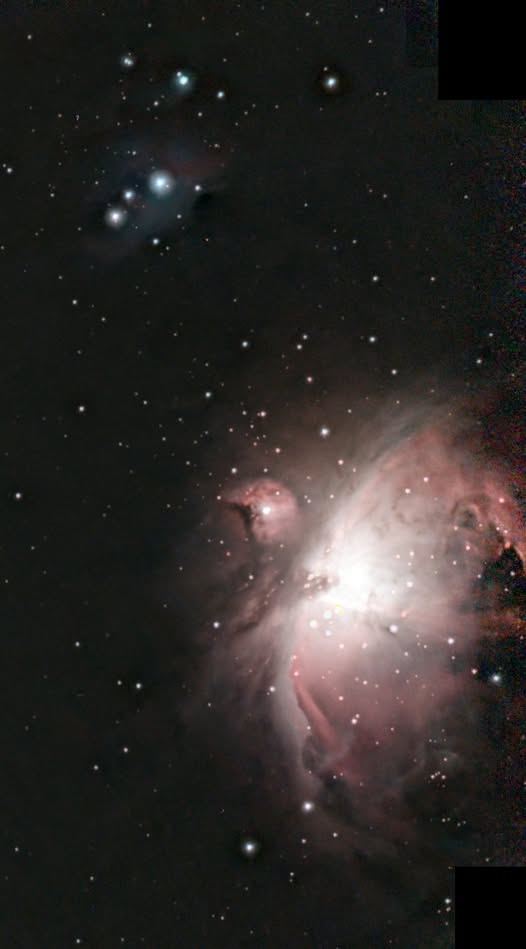
M42 — The Orion Nebula
The Orion Nebula (M42), one of the brightest and most accessible stellar nurseries visible from Earth.
Take control of a real telescope, observe the Moon, planets, galaxies and nebulae, and discover the science behind what you see — live, guided and interactive whatever the weather.
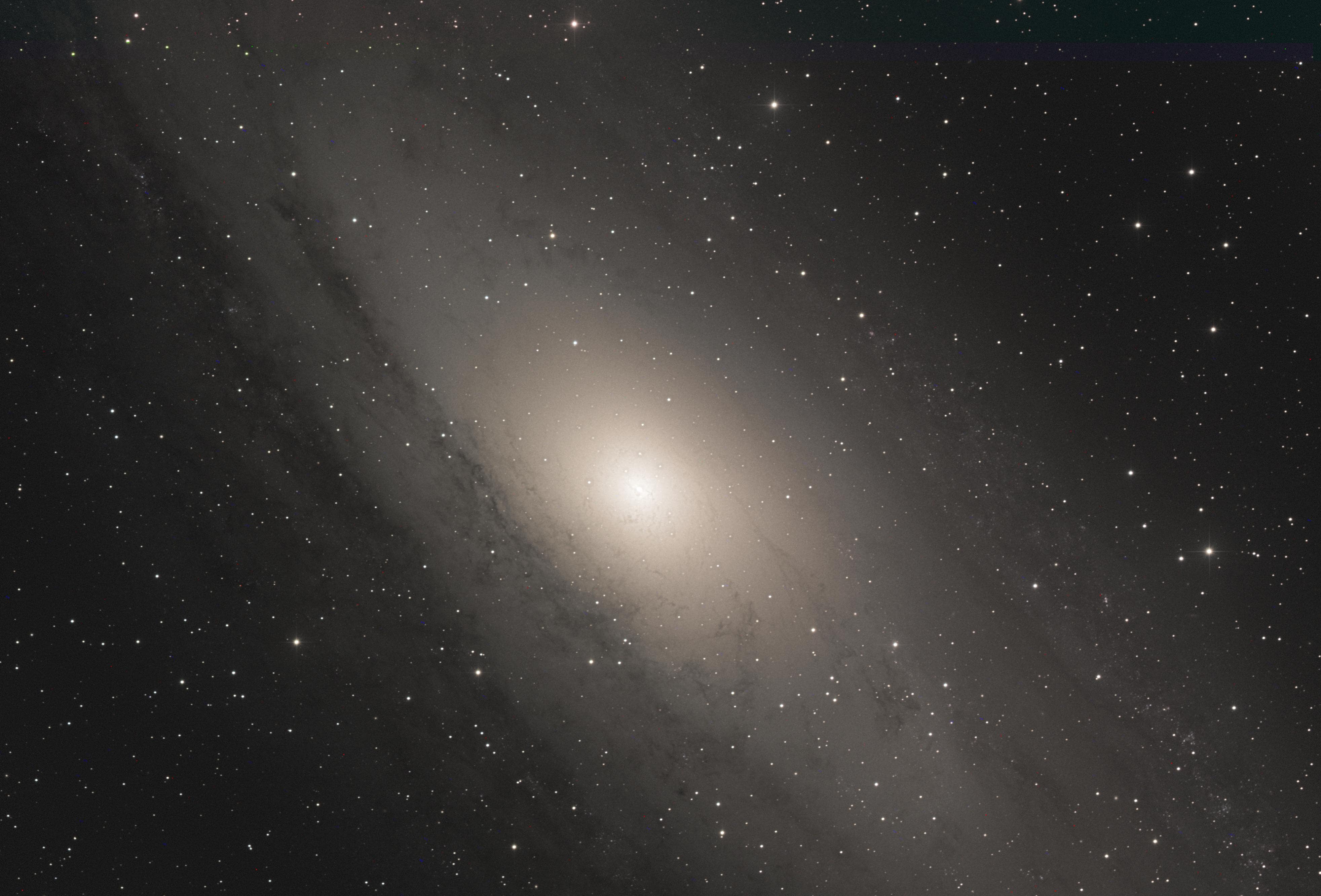
Join a live remote telescope session or explore the science through an interactive astronomy masterclass.
Explore sessionsSee what different instruments can reveal, from lunar detail to faint galaxies and nebulae.
Explore the full galleryGo beyond observation with calculations, celestial mechanics and hands-on astronomy articles.
Enter the Astronomy LabTurn telescope images into measurements with tools built for practical astronomy experiments.
Discover the toolsReal observations from the Show Me The Sky portfolio — planets, the Moon and objects far beyond our Solar System.
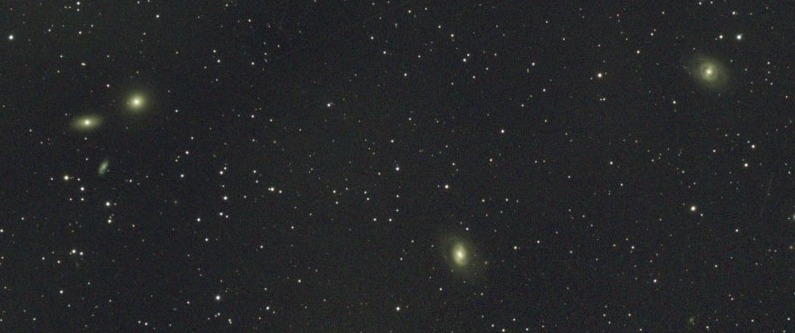
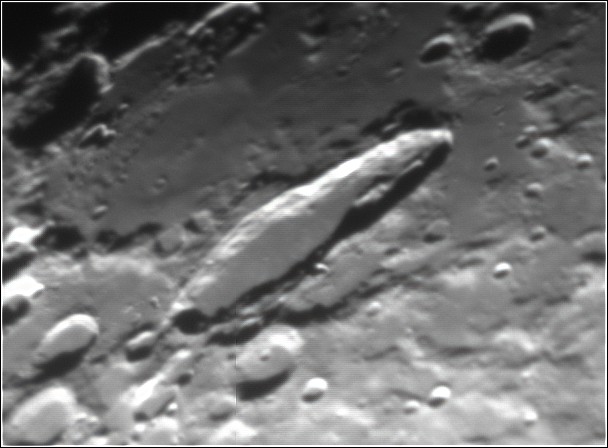
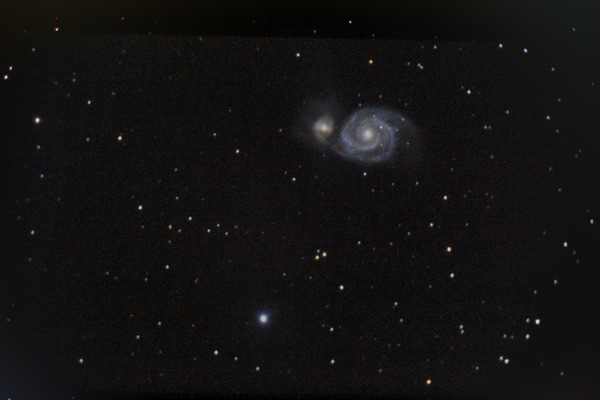
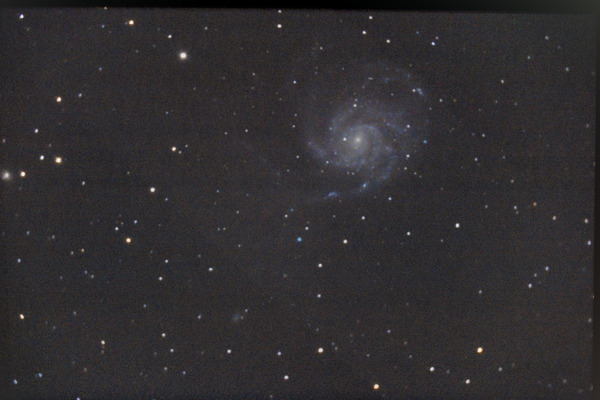
Explore hands-on astronomy experiments, interactive tools and real observations — then use the Astronomy Lab to investigate the physics behind what you see.
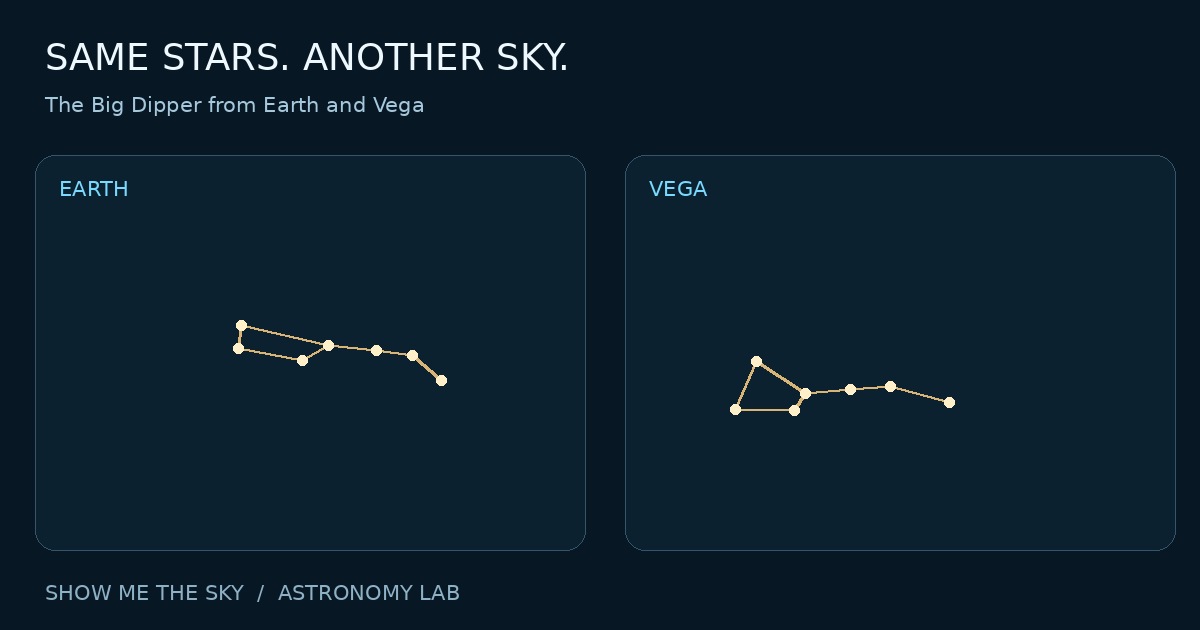
Travel to a nearby star and compare familiar constellations with the sky from Earth. Explore changing star positions and brightness, and find our Sun.
Explore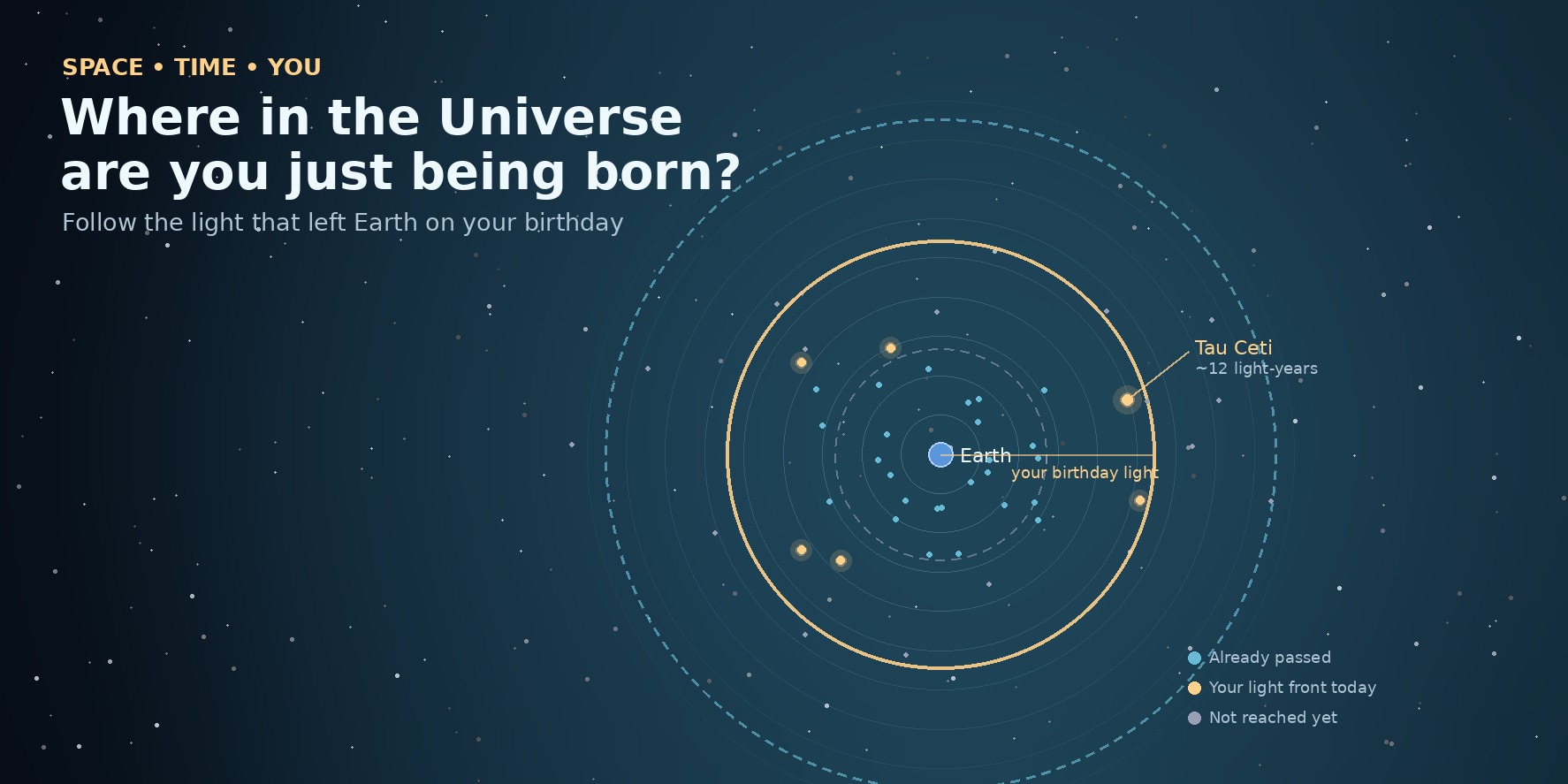
Enter your date of birth and follow the light that left Earth that day. Explore an interactive 3D star map, animate its expanding sphere and discover which stars your birthday light is reaching.
Explore
On 28 August 2026, a deep partial lunar eclipse placed around 93% of the Moon inside Earth's shadow. I didn't see it — but its connection with the 12 August solar eclipse tells a fascinating astronomical story.
Explore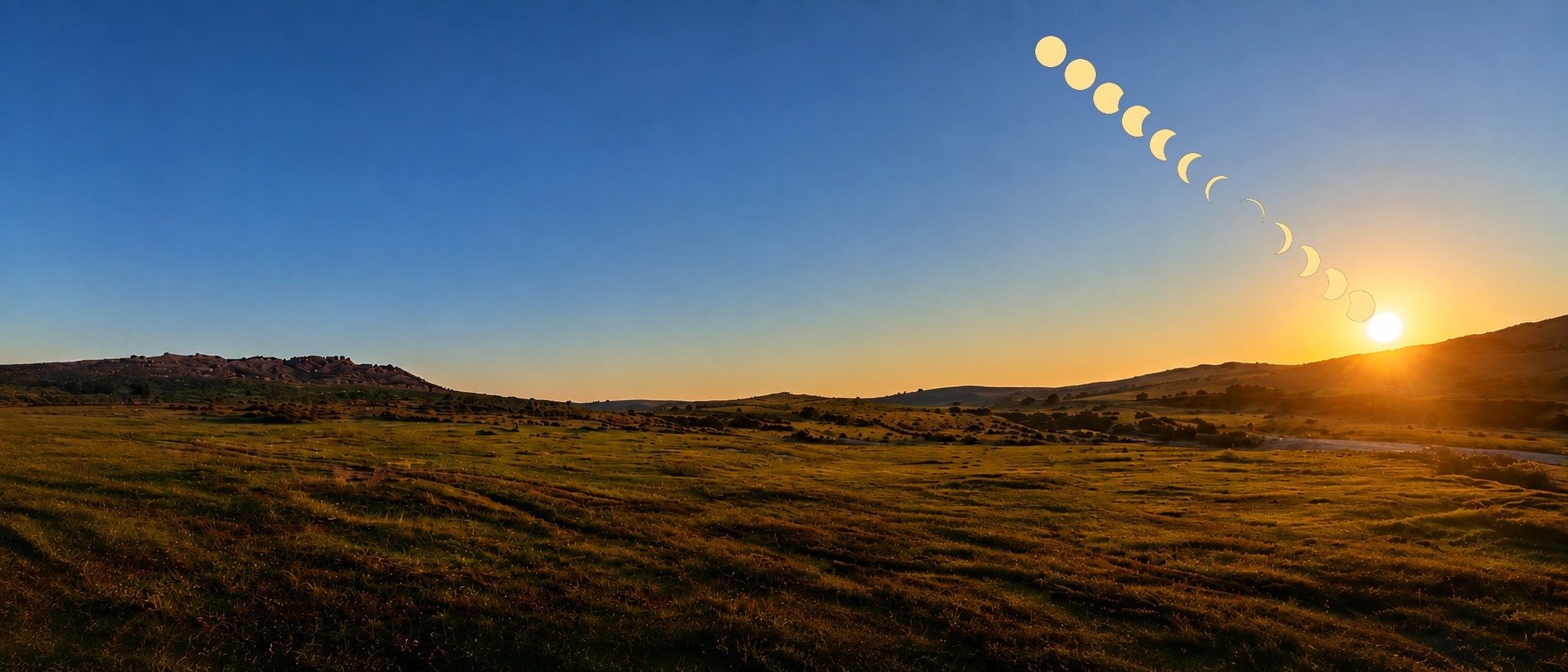
From a field in North Hill, Cornwall, I followed the 12 August 2026 partial solar eclipse with a Seestar S50, capturing the Moon progressively covering the Sun as it descended towards the horizon.
Explore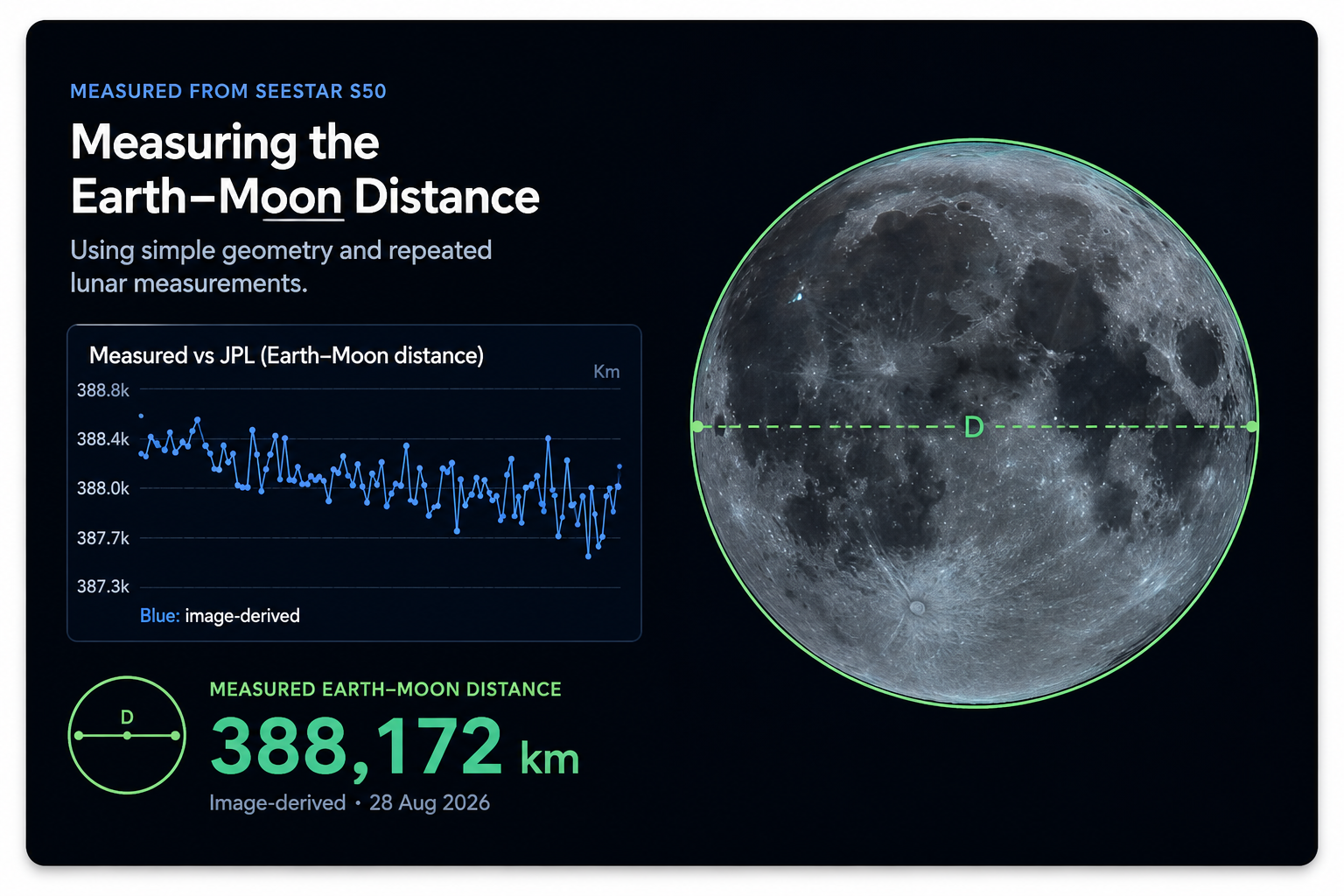
Using a Seestar S50, simple geometry and repeated lunar measurements, we estimate the Earth–Moon distance and compare the result with NASA/JPL Horizons.
Explore
Understand what constellations really are, how they divide the night sky and why astronomers still use them.
Explore
Upload a Seestar S50 image and compare it with calculated satellite positions to identify planetary moons.
Explore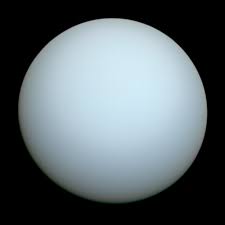
Explore whether the Seestar S50 can capture Uranus and some of its faint satellites.
Explore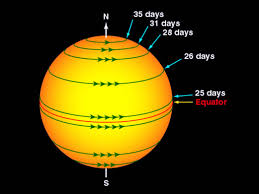
Track sunspots over several days and use their motion to estimate the rotation period of the Sun.
Explore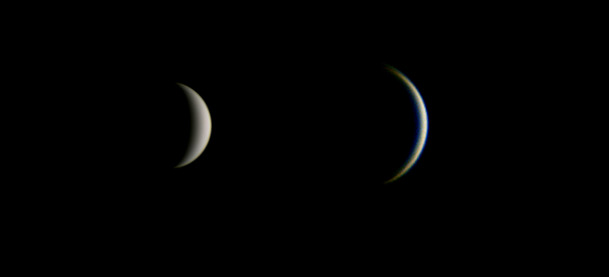
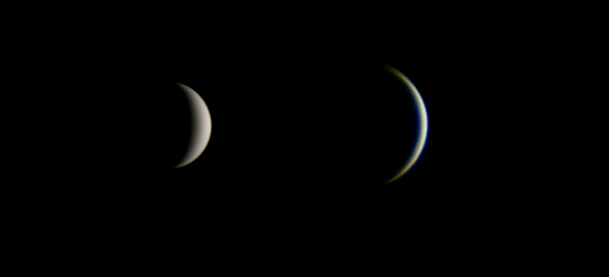
Understand why Venus and Mercury show phases and what this reveals about their orbits around the Sun.
Explore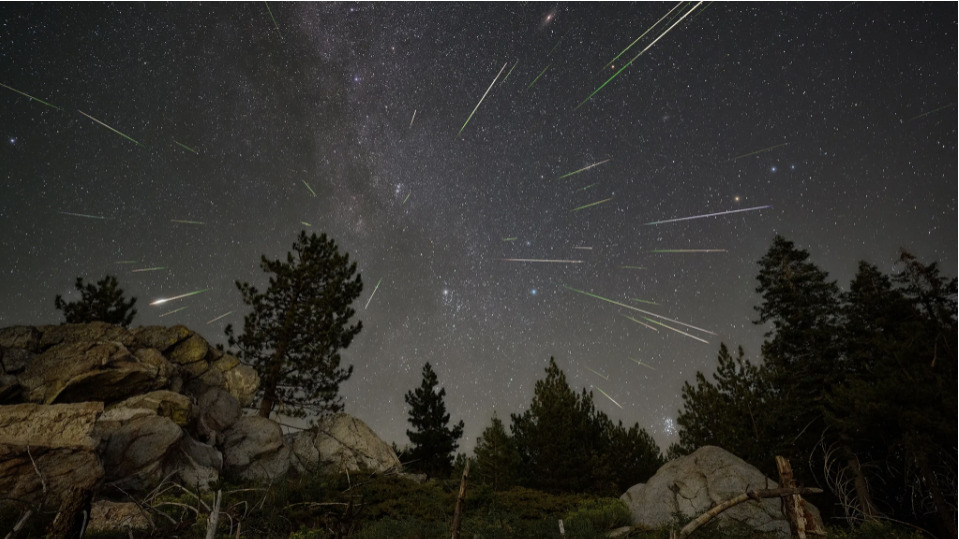
Discover what causes the Perseid meteor shower, where the meteors come from and why they appear each summer.
Explore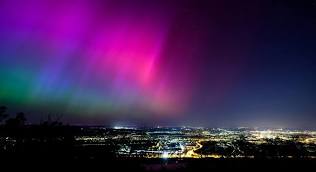
Discover what causes the aurora borealis and explore the spectacular northern lights observed in May 2024.
Explore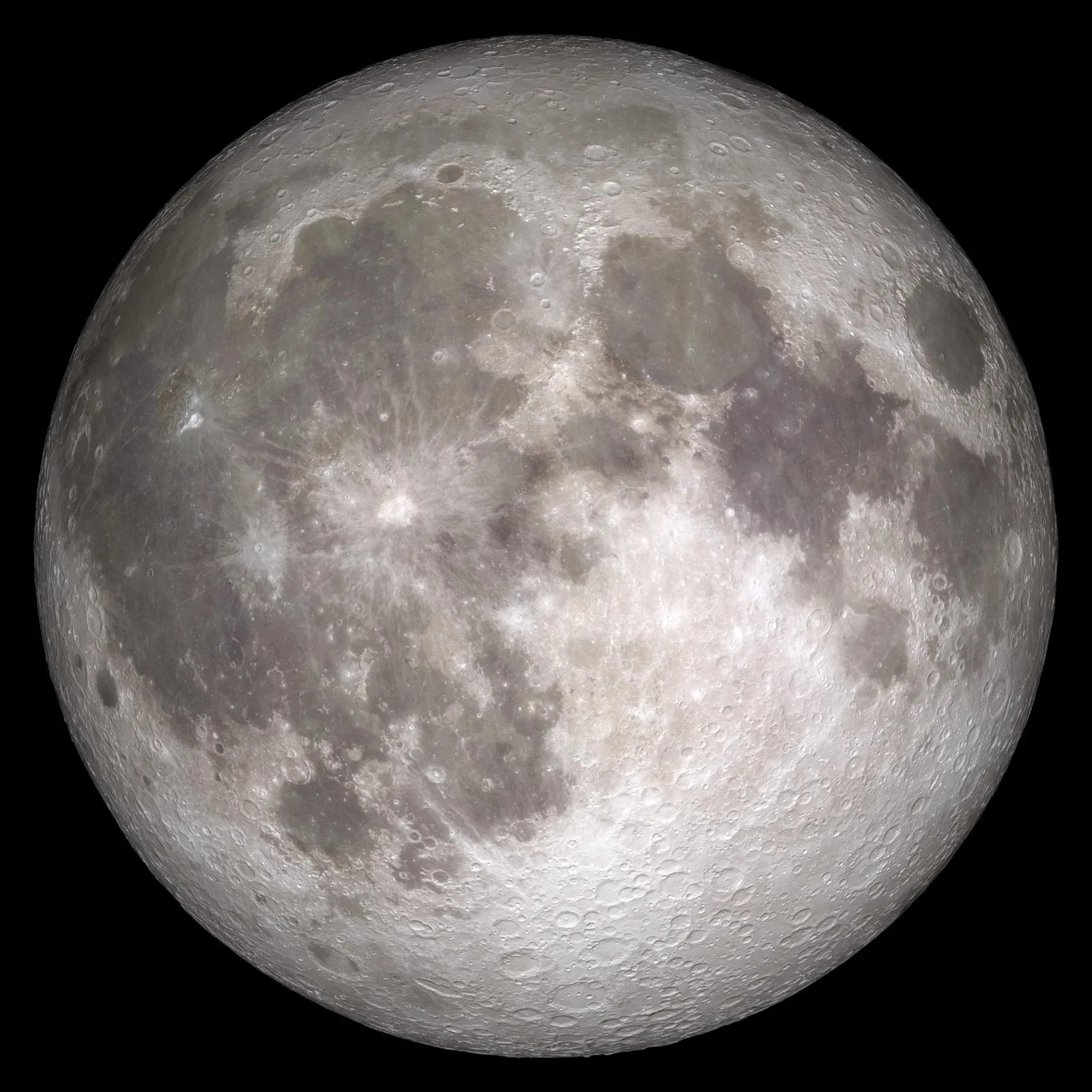
Check the current phase of the Moon and understand how the lunar cycle changes through the month.
Explore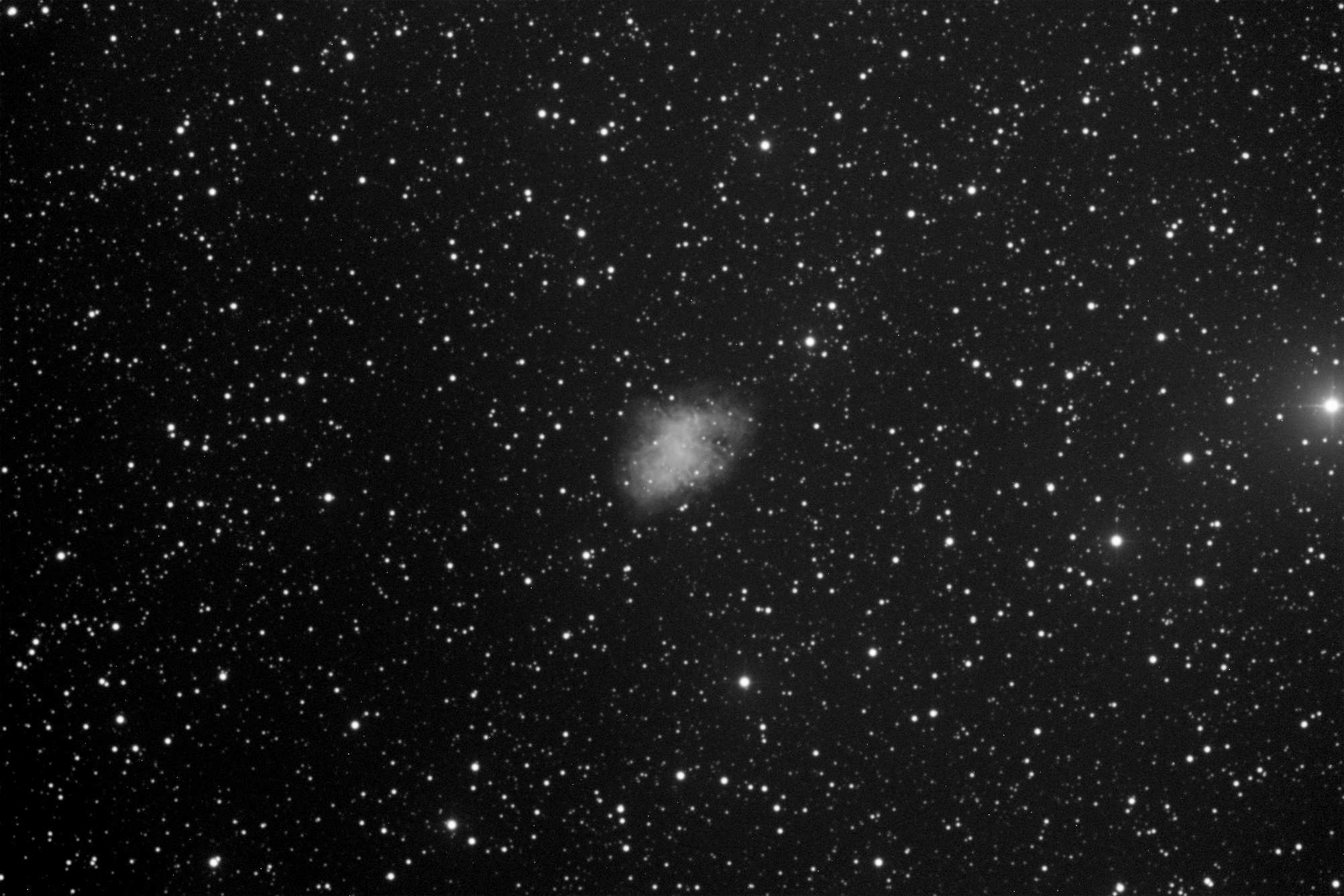
Discover the history and science of the Crab Nebula, the remnant of the famous supernova observed in 1054.
Explore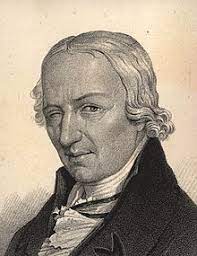
Explore the historical mathematical pattern proposed for the distances of planets from the Sun.
Explore
Discover why Charles Messier and his catalogue of deep-sky objects remain so important to astronomers.
Explore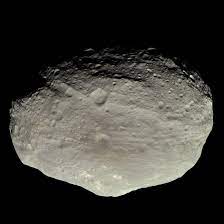
Explore Vesta, one of the largest objects in the asteroid belt, and discover its place in the Solar System.
Explore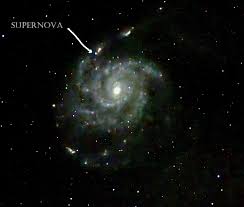
Discover what a supernova is and explore the stellar explosion observed in the Pinwheel Galaxy M101.
Explore
Explore the basic physics governing astronomical orbits and understand the principles behind Kepler's laws.
Explore
Use the orbital motion of Saturn's moons and Kepler's laws to estimate the mass of the planet.
Explore
Calculate the positions of Saturn's major moons for a chosen date and time.
Explore
Explore Saturn's major moons, their sizes, orbits, discovery history and observational characteristics.
Explore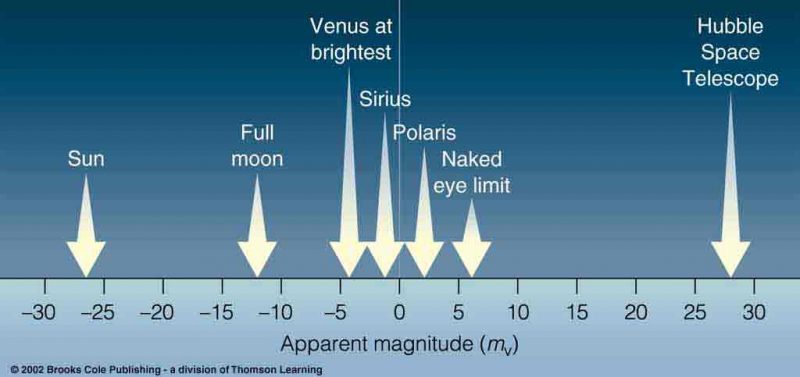
Understand how astronomers measure the brightness of stars and other celestial objects.
Explore
Learn what an ephemeris is and use astronomical data to find the positions of celestial objects.
Open tool
Learn how simple observations and geometry can be used to estimate the diameter of the Moon.
Explore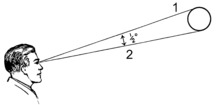
Understand apparent angular size and calculate how large astronomical objects appear in the sky.
Open tool
Calculate the field of view of a telescope or camera and see how astronomical objects will appear with different equipment.
ExploreThe observing setup is chosen for the target rather than forcing one instrument to do everything.

I received my first telescope at the age of ten. The first close look at the Moon — its craters suddenly becoming a real landscape — was the moment astronomy stopped being something in books and became something I could explore for myself.
Show Me The Sky is about recreating that feeling for other people: seeing a real object through a real instrument, asking questions as you go, and then understanding a little more about the physics behind the view.
Observing from a dark-sky area in Cornwall gives us access to both Solar System targets and deep-sky objects when conditions allow.
“The session was very well organised! My 9-year-old had a fantastic time! Thanks again!”
MarcU.K.“I observed the Moon live from my sofa. The team is passionate and explains things very clearly. I recommend it 100%.”
MarcFrance“A wonderful experience. The explanations were clear and accessible, and being able to observe the sky live made the session truly special.”
SophieFrance“I never imagined learning astronomy from home could feel so immersive. The theory session helped me finally understand the solar system! Highly recommended.”
EmmaU.K.“Thank you again for this evening's session; you allowed me to dream...”
JeanFrance“My daughter and I really enjoyed the session. It was relaxed, interactive and gave us plenty to talk about afterwards.”
DavidU.K.Explore your astronomical observations with tools for sky mapping, image comparison, asteroid photometry and comet analysis.
Explore your FITS observation library across the night sky. Map real WCS footprints, inspect astronomical images and compare or align overlapping observations.
Track asteroids and comets in FITS sequences, measure brightness changes and rotation, and explore comet motion and structure.
Ask about an observation, a gift session, the astronomy tools, or simply a question about the night sky.